The statistics are being recovered; the technique mostly never will be. Filed by how solid the record is: documented anchors first, legend flagged.
The Through-Line
Why pitches die.
An archive of lost pitches is really an archive of how pitches get lost. Four forces take a pitch out of the game. The entries below are what each one left behind.
1920 →
A rule outlaws it.
The first and bluntest way a pitch dies: the rulebook bans it. In February 1920 the Joint Rules Committee outlawed the spitball and the rest of the doctored-ball family, grandfathering only seventeen active spitballers; the last of them, Burleigh Grimes, threw legally until 1934. The ban did not end the craft so much as drive it underground, and the enforcement has never really stopped: Gaylord Perry built a Hall of Fame career on a grease ball hitters could never quite prove, and Joe Niekro was ejected in 1987 when an emery board fell out of his pocket on the mound.
In February 1920 the Joint Rules Committee banned the spitball and the doctored-ball pitches, a turning point that helped end the dead-ball era.
Joe Niekro was ejected in 1987 when an emery board and sandpaper fell from his pocket as the umpires checked him: the doctored-ball lineage, still being policed decades later.
A pitch can also be legislated out from under the arm that throws it. Satchel Paige’s hesitation pitch, a pause in the delivery that froze hitters, was legal when he brought it to the majors in 1948. Then, after a memorable at-bat against Mickey Platt, American League president Will Harridge ruled the hesitation a balk. The pitch did not get banned by name; the motion that made it work was simply declared illegal, and it vanished with the ruling.
Satchel Paige’s hesitation pitch was ruled a balk by AL president Will Harridge in 1948, after an at-bat against Mickey Platt. The ruling legislated the pitch out of the game.
The 1948 Platt at-bat and the Harridge balk ruling.
Always
The technique dies with the arm.
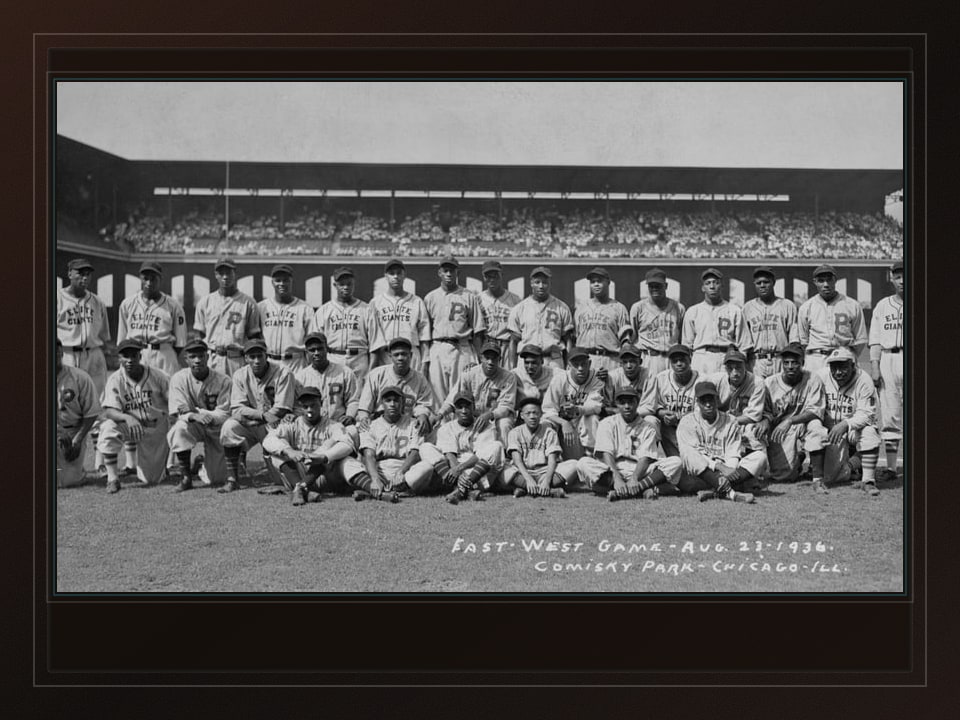
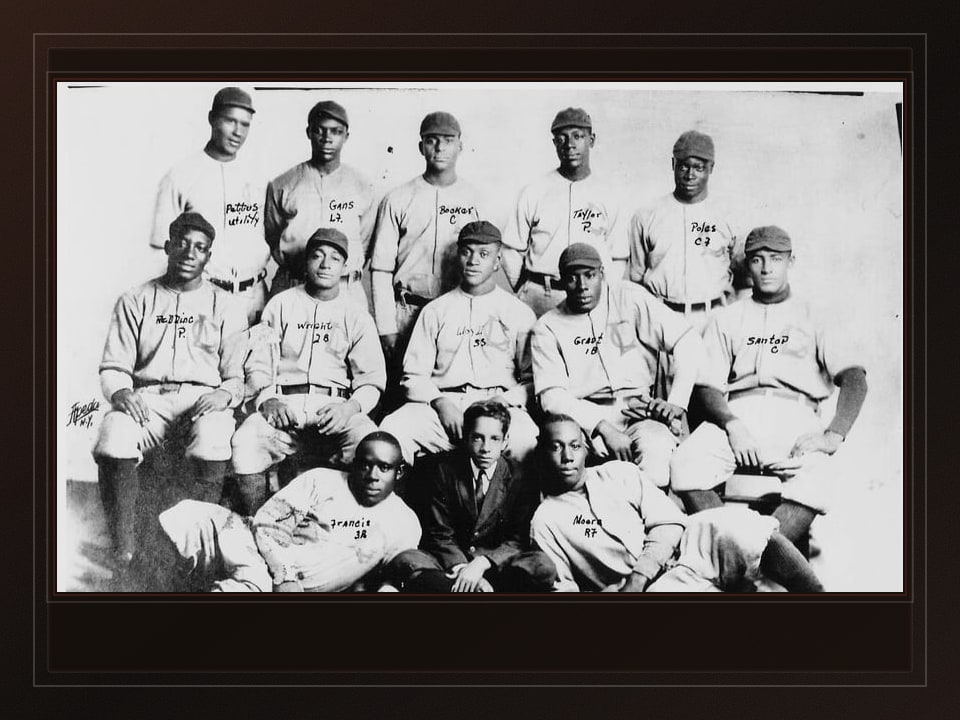
The quietest death, and the one this wing is built on: a box score survives, a grip does not. In segregated baseball there was almost no film, no institutional archive, and a barnstorming culture that kept no technical record. When an arm stopped throwing, the exact feel of its pitch went with it. The statistics can be reconstructed pitch by pitch from surviving scorecards; the hand on the ball cannot. That asymmetry is why every plate in this archive wears a documentation tier instead of a precision it cannot support.
The Negro Leagues record is being rebuilt from surviving box scores game by game, with the 1920s the most completely documented decade. But a box score preserves the outcome, never the grip.
The Seamheads reconstruction method and its coverage.
2020 · 2024
The record comes back, but only the numbers.
Recovery is real, and it is recent. In December 2020 Major League Baseball reclassified the Negro Leagues as major league, folding roughly 3,400 players into the record it had omitted for half a century. In May 2024 the statistics were formally integrated, and Josh Gibson surfaced atop the all-time batting list at a .372 average. It is the happiest force in this archive and the most honest about its limit: the numbers return, the names are restored, and the technique mostly stays lost.
In December 2020 MLB reclassified the Negro Leagues as major league, recognizing roughly 3,400 players it had previously omitted.
Every recovered plate, laid against the decades and colored by how solid the record is. The cluster in the 1920s is the doctored-ball and Paige-named cohort; the color is the honesty. Each marker opens its file.
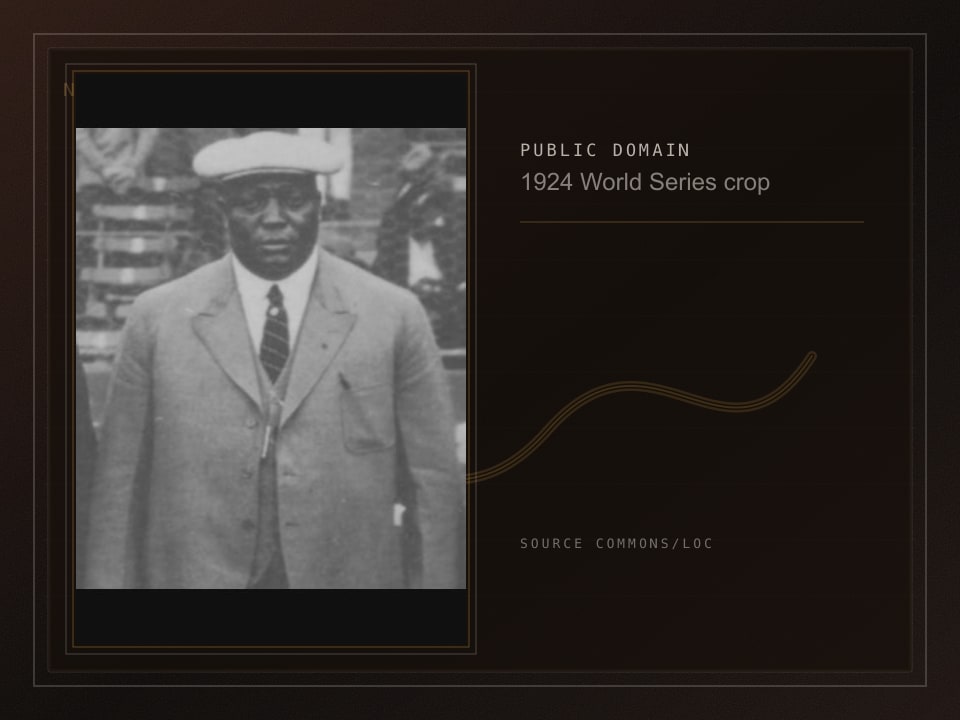
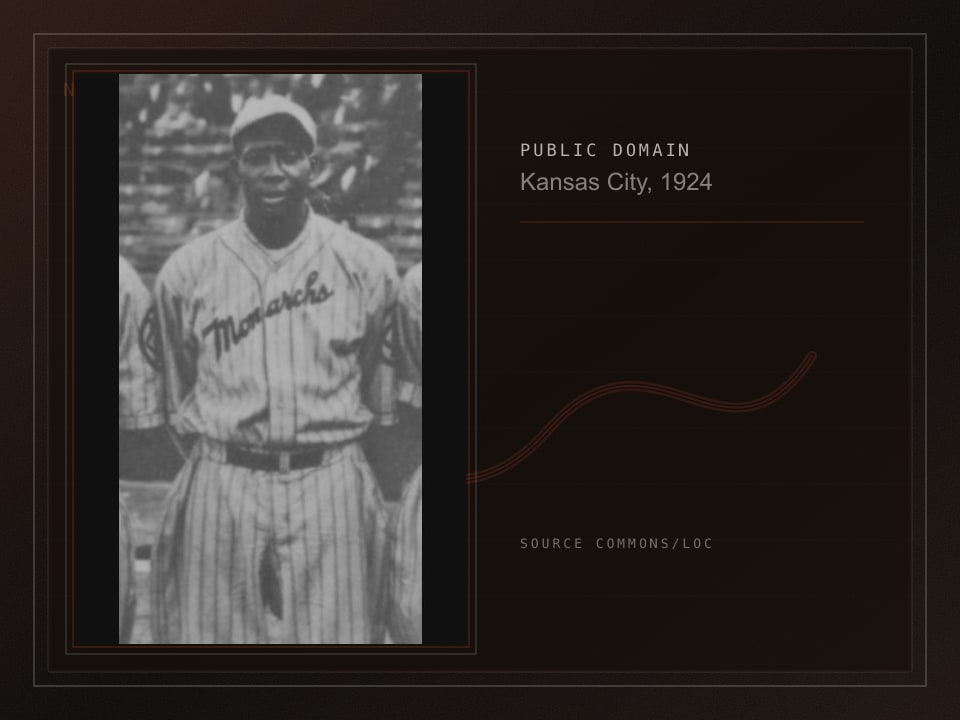
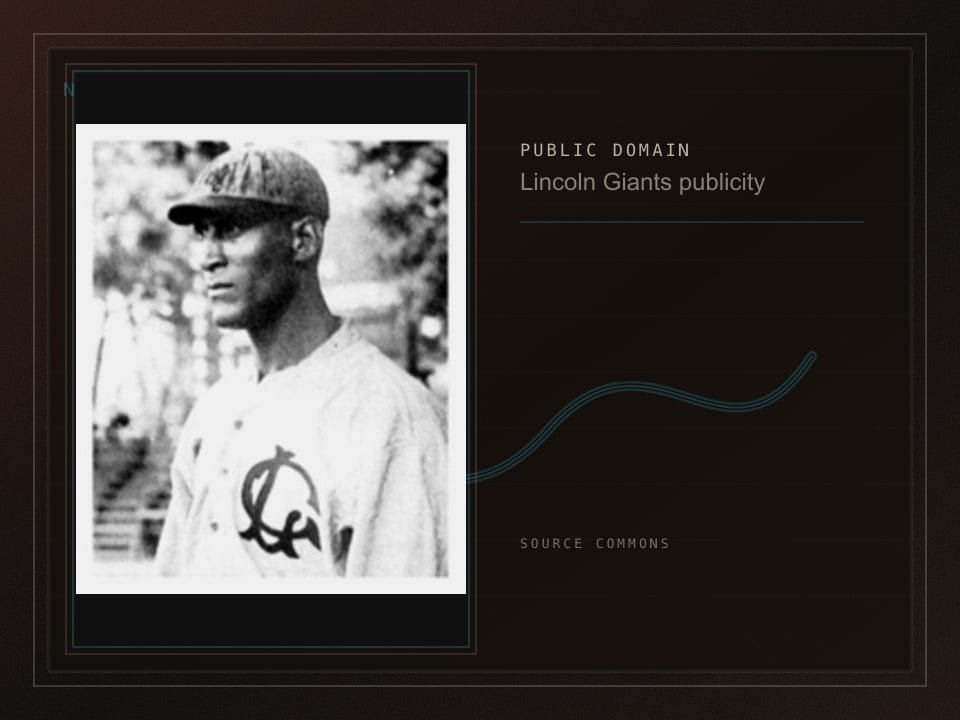
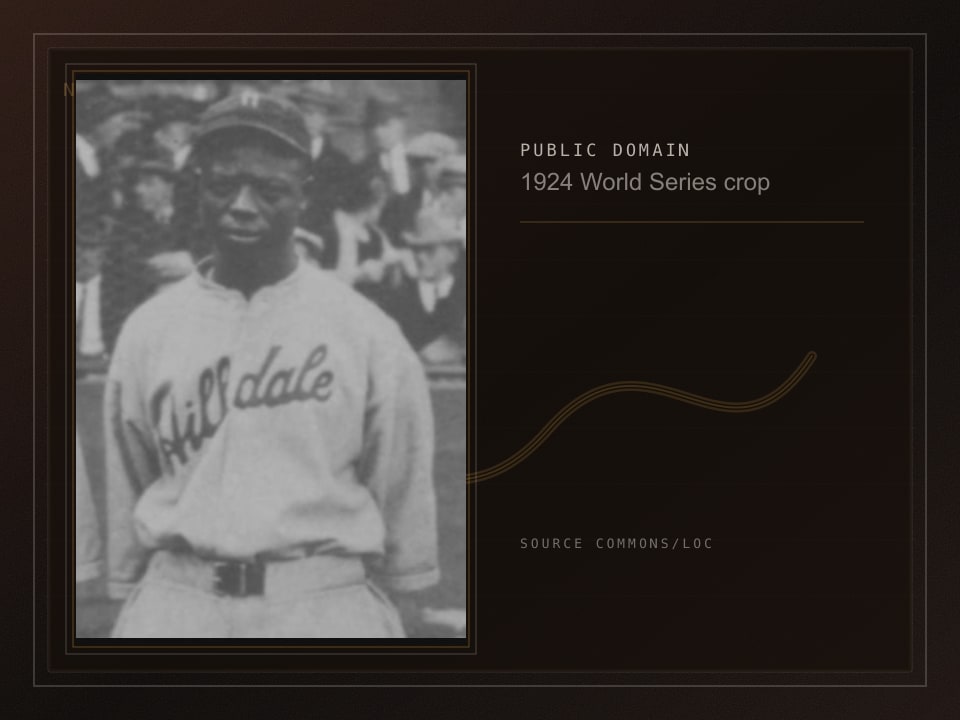
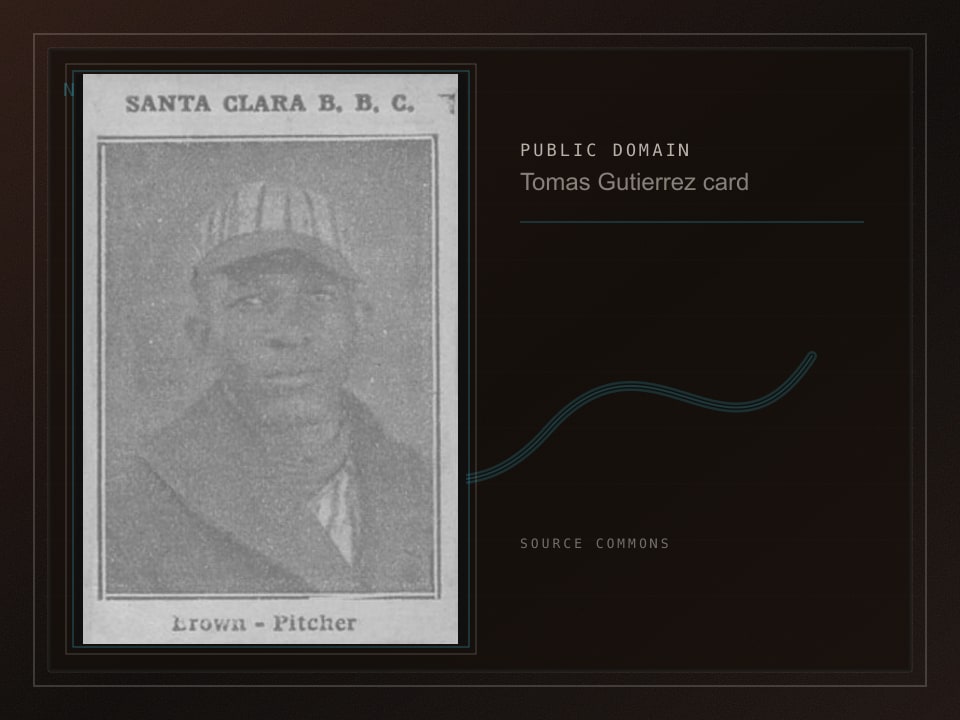
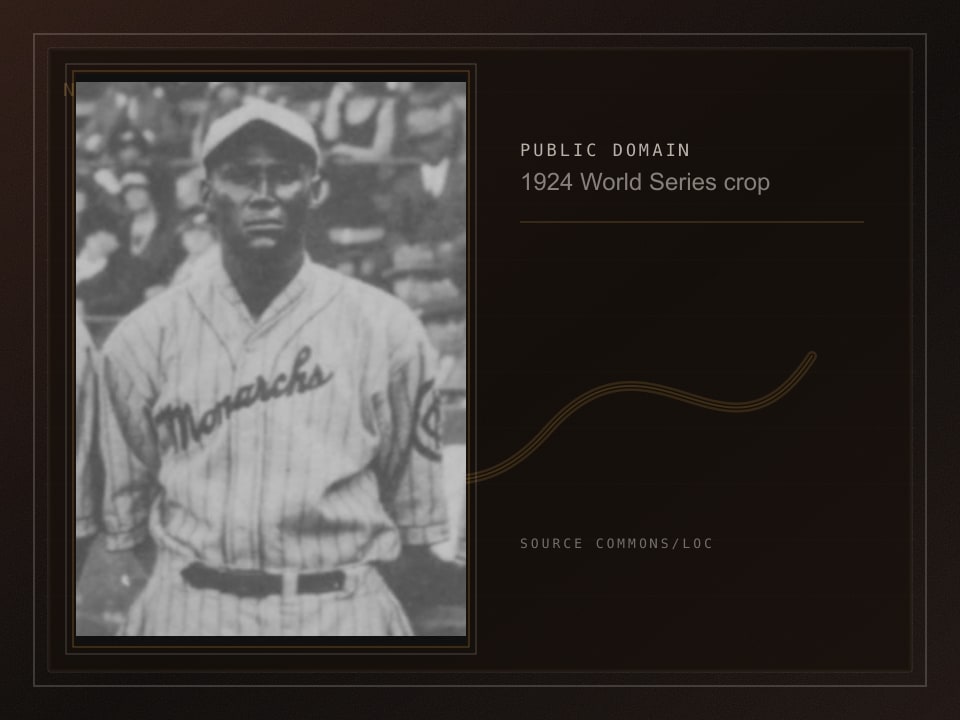
The lost-pitches wing can carry historical material without pretending the grip survived. Each entry now gets a public-domain plate or a first-party study, and the card says which one it is.
15
plates filed
9
public domain
6
original
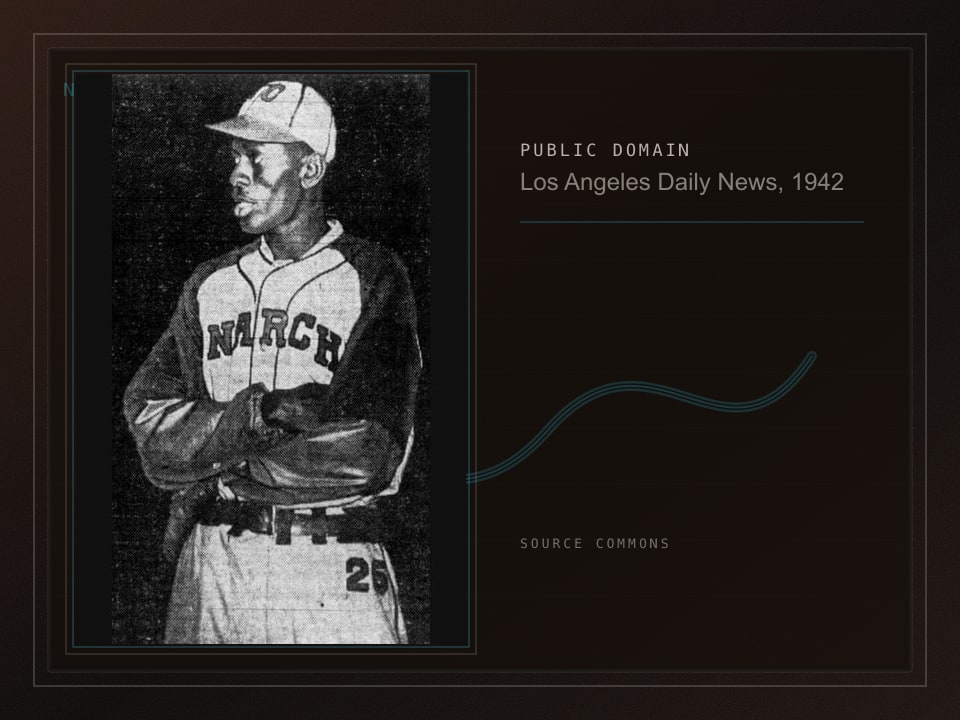
Public-domain portrait plateportrait
Satchel Paige, 1942
Paige is present as an archival subject, not a substitute for a recovered hesitation-pitch grip.
High enough for a full plate; original source is 861 by 1545 pixels.
Segregated record-keeping, almost no surviving film, barnstorming with no institutional archive, doctored pitches that were permitted in Black baseball and banned in the white one, and a culture of self-promotion that turned pitch names into ticket sales: five forces erased the technical record. The tier on each plate is how we stay honest about which of those forces we beat and which we did not.