Skip to content

The pitch, struck as a specimen.

Every pitch has a file; every grip has a history. Study the hold and carry it forward.

The four-seam specimen, flattened: the same figure-eight seam the 3D ball draws, projected to 2D and oriented to the pitch's spin axis.

02The Refraction

One seam. Two media.

This flat diagram and the tilting 3D specimen are two draws of a single function. The 3D specimen, the 2D schematic, and the no-WebGL fallback all read the same seam geometry, so the model and the diagram can never quietly disagree.

It is a seam-informed schematic, not a measured cover. That label stays attached to the diagram wherever it appears.

The filed set.

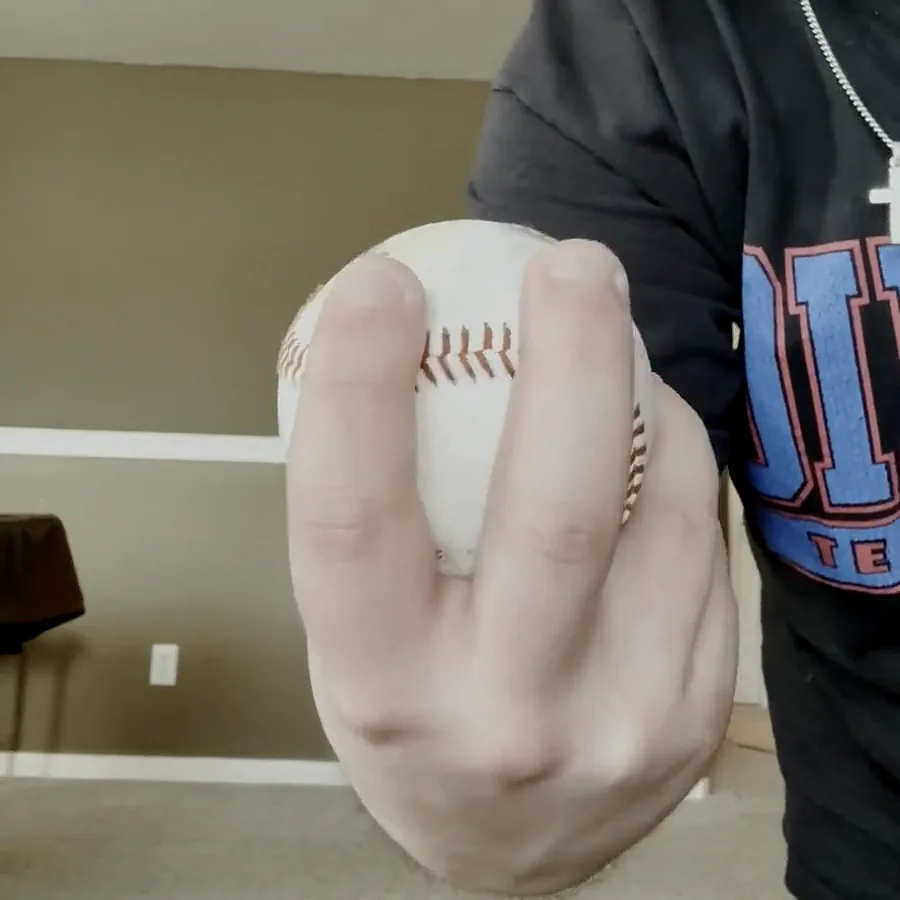
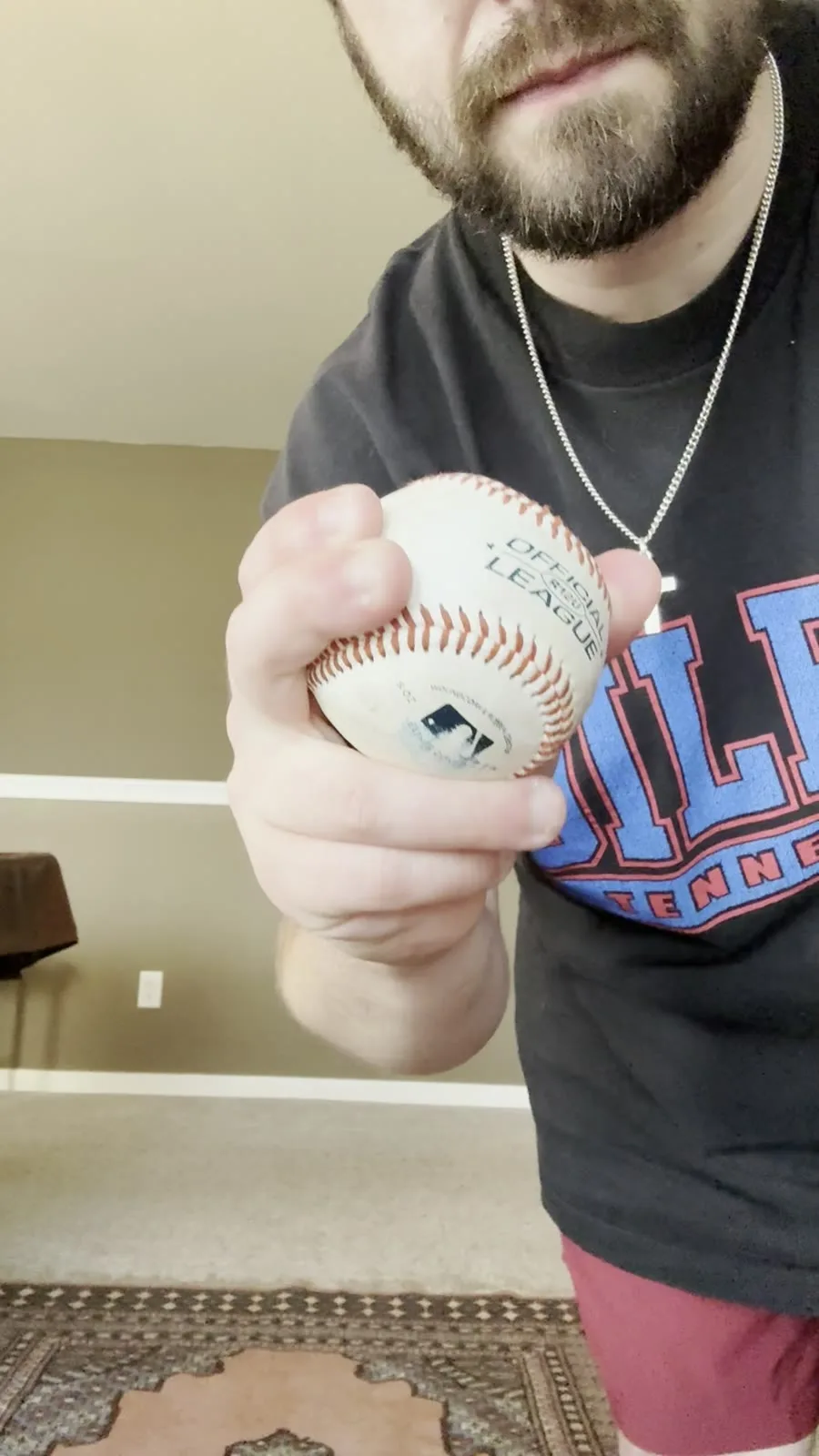
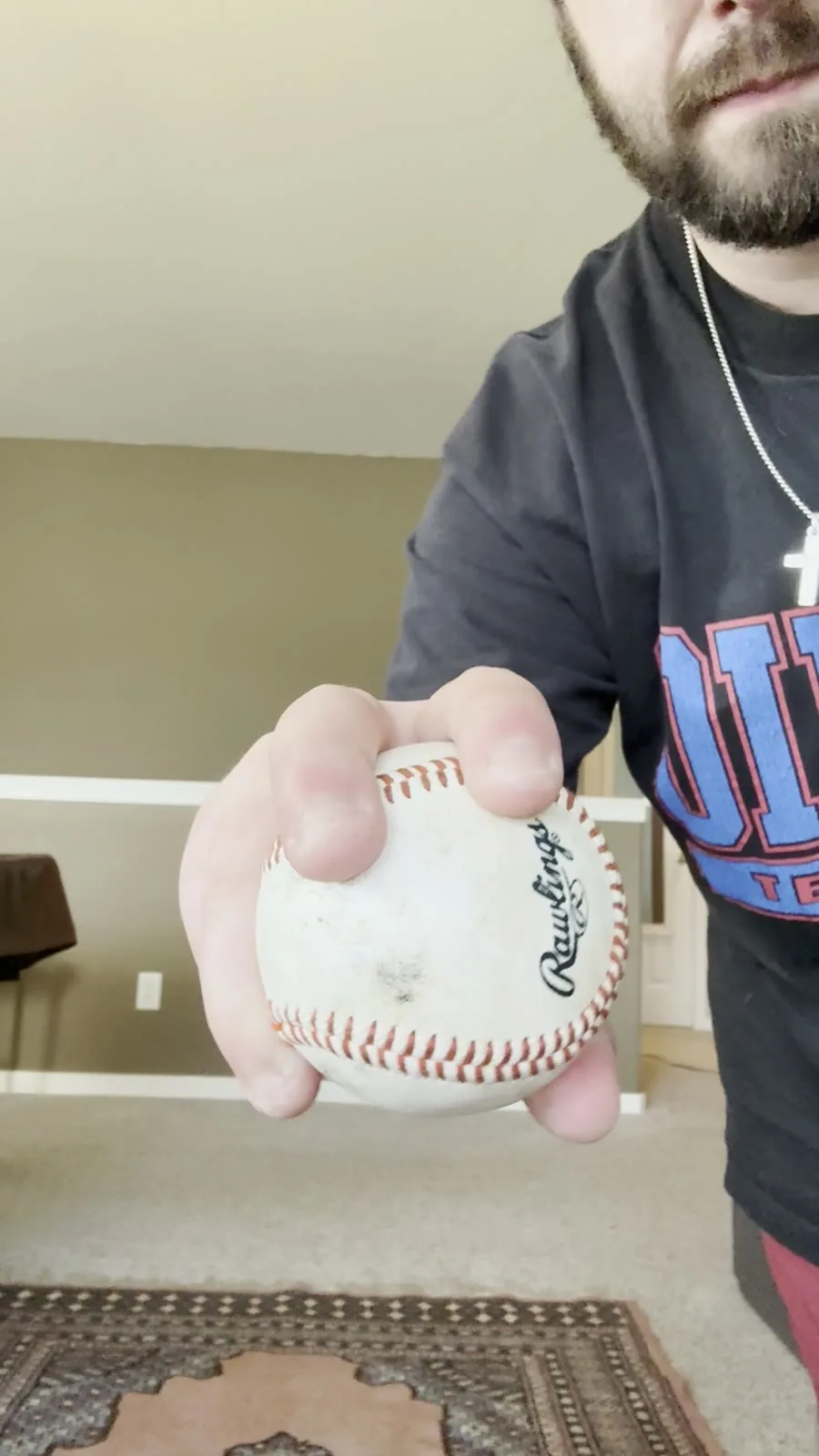
3 shown · 12 filed. Flip a card for its sources.

One specimen per family: grip first, source attached. The rest of the set lives in the Pitch Index.

Preserve the pitches baseball almost forgot.

Start at the Pitch Index, open a specimen, and carry a piece of the record forward.

Every grip filed before the arm forgets it. Every claim still wearing its source.

Sourced, not corrected. No fabricated spin, velocity, or break; no scraped imagery; no copied prose. 298 sources in the citation registry, last checked July 5, 2026. How a claim is filed

Everything above wears its source. When you want the set again, start at the front door: the Pitch Index.

But if a pitcher can change speeds, every hitter is helpless, limited by human vision. Except for that (expletive) Tony Gwynn.
Greg Maddux · Two-seam fastball

The archive is readable without JavaScript. Interactive grip tools, physics controls, and comparison labs need JavaScript.