1920 ban through 2024 recovery
The Doctored-Ball Divergence and the Recovery
Two rulebooks, one career-killer, and a hundred-year correction
Documented
Here is the killer insight that ties the wing together. When the white majors banned the spitball, shine ball, emery ball, and mud ball in 1920, the Negro National and Eastern Colored Leagues did not adopt the ban — these pitches were permitted, not banned, in Black baseball, though even that was contested at the edges. So a whole generation built careers on craft that was legal in their game and illegal in the other; integration gave that skill no legal home. The record almost vanished with it — and then, a century later, baseball went looking for it.
What it was
A divergence in the rulebooks: the spitball, shine, emery, and mud ball were outlawed in the white majors after 1919-1920, but the Negro National and Eastern Colored Leagues left them permitted — so an entire cohort of Black pitchers mastered pitches that had no lawful future once the leagues merged. Best read as 'permitted / not banned' rather than affirmatively legalized, and even that was contested at the edges, as the 1924 Cockrell standoff shows.
Why it is lost
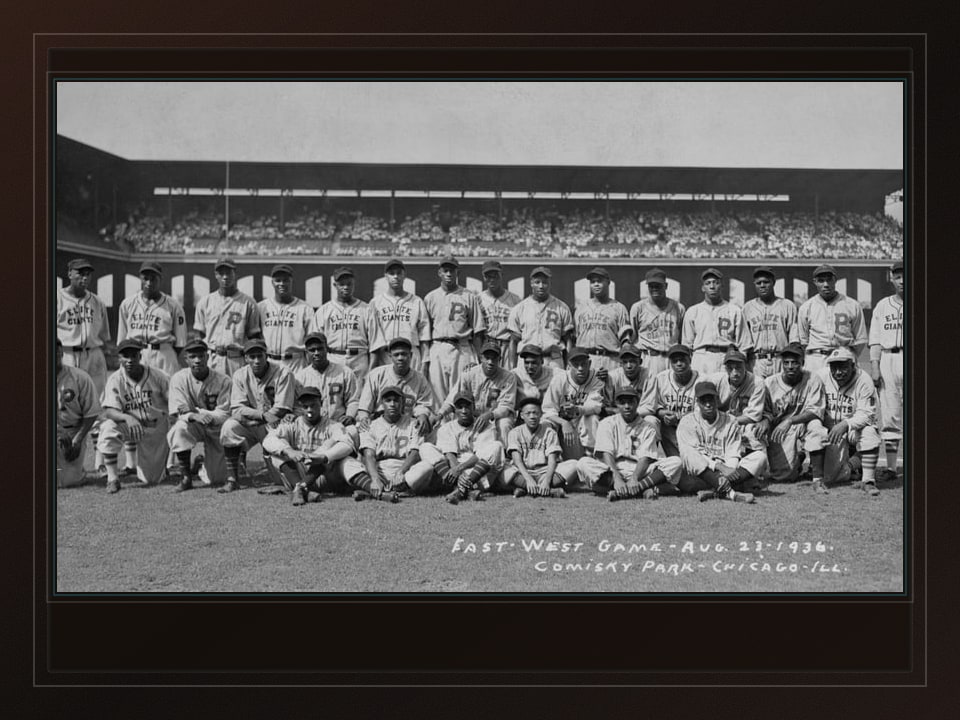
These careers were lost twice — first because the pitches that defined them were illegal in the integrated game, and second because the statistical record was nearly erased. The recovery came late: in December 2020 MLB granted major-league status to seven Negro Leagues (1920-1948), and in May 2024 it folded roughly 2,300 players' statistics into the official record. The reconstruction was possible only because the Seamheads Negro Leagues Database had rebuilt the numbers from surviving box scores.
The surviving record
On December 16, 2020, MLB elevated seven Negro Leagues operating from 1920 to 1948 to major-league status, covering roughly 3,400 players, and stated that the 1969 Special Baseball Records Committee's omission of the Negro Leagues was 'clearly an error.'
In late May 2024, MLB integrated the statistics of more than 2,300 Negro Leagues players into the official record, which moved Josh Gibson to the all-time career leads in batting average (about .372), slugging, and OPS, ahead of Ty Cobb and Babe Ruth.
The Seamheads Negro Leagues Database reconstructed the statistics game-by-game from contemporary box scores, newspaper accounts, and scoresheets, covering every U.S. season from 1886 through 1948, with the 1920s the most completely documented decade — researchers believe they have roughly 90% of that decade's box scores.
The reconstruction method and 1886-1948 coverage are confirmed on the reachable Seamheads database homepage; the specific ~90%-of-1920s-box-scores figure is reported in Baseball-Reference's Negro Leagues data FAQ, which I confirmed via search but could not load directly (the site blocks the fetcher), so the precise percentage is relayed rather than first-hand verified.
Every line here is what the recovered record can actually support, labeled by its source and its confidence. Where the legend says more than the record can prove, the gap is shown, not filled.